Popular Articles
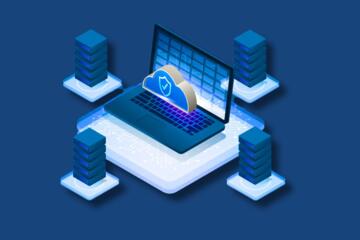
IT Infrastructure Modernization Trends
IT infrastructure modernization affects how organizations run applications, store data, and manage security. This guide is for IT decision-makers and informed readers who want practical ways to evaluate cloud, networking, identity, and observability changes without hype. You will learn common pain points, how supporting technologies fit together, what to measure during migrations, and how to compare approaches using checklists and realistic examples.
System
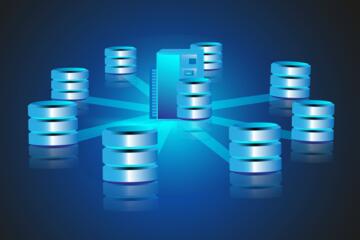
Enterprise Data Warehousing Explained
As organizations generate and collect more data than ever before, having a centralized and reliable way to manage that information has become essential. An Enterprise Data Warehouse (EDW) provides a unified platform for consolidating data from multiple departments and systems, making it easier to analyze information and support informed business decisions. This article is designed for IT managers, data architects, business analysts, and technology leaders who want to better understand the role of an EDW in modern data management. It explores key architectural concepts, common implementation challenges, data integration strategies, and best practices for handling large, complex datasets. Through practical examples, real-world case studies, and actionable recommendations, readers will gain valuable insights into building a scalable, efficient, and future-ready enterprise data warehouse.
System
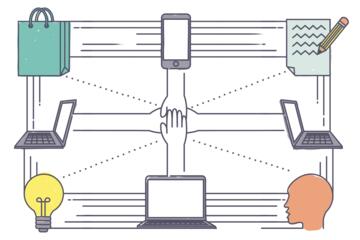
Multi-Platform System Synchronization
Multi-platform system synchronization aligns data and operations across diverse environments, critical for businesses embracing hybrid cloud, on-premises, and mobile setups. This article targets IT professionals and system architects facing data consistency and workflow integration challenges. By addressing common pitfalls and offering practical approaches, it equips teams to reduce latency, avoid version conflict, and improve reliability in complex IT infrastructures.
System

IT Governance Frameworks Simplified
IT governance frameworks help organizations align their IT strategy with business goals by structuring decision-making and accountability. This article is designed for IT leaders, auditors, and managers seeking clarity on choosing and adapting governance frameworks that really work. It breaks down common pitfalls, practical methods, and real case insights to cut through the jargon and focus on actionable governance design.
System

Disaster Recovery Systems for Enterprises
Disaster recovery (DR) systems are essential for keeping operations running when outages, cyber incidents, or natural disasters disrupt normal infrastructure. Written for IT leaders and infrastructure teams, this article explains how to design a DR approach that minimizes downtime and limits data loss by aligning RTO/RPO targets with business priorities. It also calls out frequent pitfalls - such as untested failover plans, unclear ownership, and relying on a single site - and replaces them with practical, step-by-step strategies. Readers will find real-world guidance and tool recommendations for backups, replication, failover orchestration, and continuous DR testing.
System

Business Intelligence System Architecture
A modern Business Intelligence (BI) architecture is the structural blueprint that transforms raw data into actionable strategic insights. It serves as the bridge between disparate data sources—from CRM systems like Salesforce to ERPs like SAP—and the final visualization layers used by executives. This guide details how to build a high-performance data pipeline that ensures data integrity, low latency, and enterprise-grade security for informed decision-making.
System

AI-Based Decision Support Systems
AI-Based Decision Support Systems (ADSS) represent the evolution of traditional business intelligence into proactive, predictive ecosystems. By integrating machine learning models with real-time data streams, these systems move beyond "what happened" to "what will happen" and "how should we react." This guide analyzes the architectural requirements and strategic implementation of AI-driven logic to enhance organizational agility and minimize human bias in high-stakes environments.
System

Choosing Between Modular and Monolithic Systems
This guide provides a strategic deep dive into selecting the optimal architectural framework for modern software development, specifically contrasting unified and decoupled structures. It is designed for CTOs, product owners, and lead architects facing scalability bottlenecks or high maintenance costs. By analyzing real-world deployment data from cloud providers and enterprise case studies, we provide an actionable roadmap to align technical decisions with long-term business growth and operational efficiency.
System

Digital Transformation Through System Integration
Modern digital evolution is no longer about adopting isolated cloud tools; it is about harmonizing a fragmented ecosystem into a single, fluid operational engine. For mid-to-large enterprises, the primary hurdle is "data siloing," where critical information remains trapped in legacy databases, CRM systems, and third-party SaaS. This guide provides a strategic roadmap for CTOs and IT directors to bridge these gaps, leveraging API-first strategies and middleware to drive measurable ROI and operational agility.
System

Real-Time Monitoring Systems Explained
This guide explores the architecture and strategic deployment of live observational frameworks designed to eliminate data latency in modern infrastructure. It addresses the critical need for immediate visibility in high-stakes environments—ranging from fintech to industrial IoT—where a five-second delay can result in thousands of dollars in lost revenue. By integrating telemetry, automated alerting, and distributed tracing, organizations can transition from reactive troubleshooting to proactive system resilience.
System