Streamline and Elevate Your Business: The Expanded Benefits of Sage Business Cloud Accounting

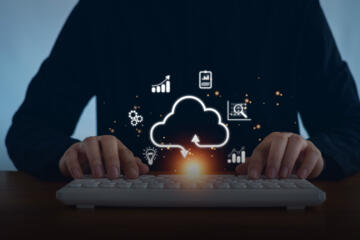
One of the core strengths of Sage Business Cloud Accounting is its remote accessibility. Whether you're in the office, working from home, or on a business trip, you can log in from any internet-connected device to access your financial data. This 24/7 availability empowers business owners and team members to stay connected and act swiftly on emerging financial needs or opportunities, fostering a culture of agility and responsiveness.

Real-Time Financial Oversight

Gone are the days of waiting for end-of-month reports. With Sage, your financial data is continuously updated, giving you real-time insights into your business’s performance. Monitor cash flow, track expenses, and forecast future trends with ease. This real-time visibility is crucial for making strategic, data-driven decisions that can lead to better financial planning and improved resource allocation.

Seamless Integration with Other Tools

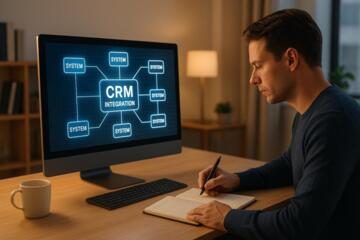
Sage Business Cloud Accounting integrates smoothly with a wide range of other business applications, such as bank feeds, customer relationship management (CRM) systems, and e-commerce platforms. These integrations automate the transfer of data, minimize manual input, and reduce the likelihood of human error. The result is a streamlined workflow that saves time and enhances overall efficiency.

Cost-Efficiency Through the Cloud

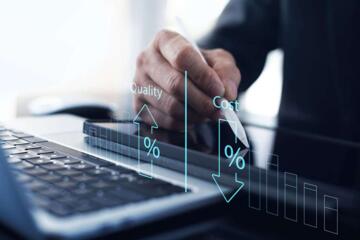
Transitioning to a cloud-based accounting solution eliminates the need for expensive on-site servers and ongoing IT support. With a subscription-based model, you pay only for what you need, which helps businesses manage costs more effectively. The reduced need for infrastructure investments and maintenance translates into substantial long-term savings.

Robust Data Security

Security is a top concern for any business dealing with sensitive financial information. Sage Business Cloud Accounting uses advanced encryption, secure servers, and regular data backups to ensure that your information remains protected against unauthorized access and potential cyber threats. By leveraging the security expertise of a trusted provider, you gain peace of mind without having to manage it all internally.

Conclusion: A Smarter Way to Manage Business Finances

Sage Business Cloud Accounting is more than just an accounting tool — it’s a strategic asset that enables businesses to operate more intelligently and efficiently. With its combination of real-time data access, powerful integrations, cost-effective pricing, and robust security, Sage empowers companies to transform their financial management approach. Whether you're a startup looking for scalability or an established firm aiming to streamline operations, Sage offers a flexible and future-ready solution to meet your evolving needs.

By adopting Sage Business Cloud Accounting, you're not just optimizing your finances — you're laying the groundwork for sustained growth, increased productivity, and a competitive edge in a digital world.

Related Articles

The Role of AI in Tax Optimization

This analysis explores how machine learning and advanced data processing are revolutionizing corporate and individual fiscal strategies. We examine the transition from reactive accounting to predictive tax planning, addressing the critical need for precision in an era of global transparency. By integrating automated workflows and cognitive computing, tax professionals can mitigate compliance risks while identifying legitimate opportunities for structural savings.

Accounting

smartfindhq_com.pages.index.article.read_more

Multi-Currency Accounting for Global Businesses

Managing finances across multiple borders requires more than just a currency converter; it demands a robust framework for handling fluctuating exchange rates, diverse tax jurisdictions, and complex reporting standards. This guide provides a strategic roadmap for global enterprises to automate their treasury functions, mitigate foreign exchange (FX) risks, and maintain a single source of truth in a fragmented economic landscape. By implementing the right technological stack and accounting principles, businesses can transform cross-border friction into a competitive scaling advantage.

Accounting

smartfindhq_com.pages.index.article.read_more

How Blockchain Impacts Modern Accounting

Modern financial management faces a crisis of trust and efficiency due to fragmented ledgers and manual reconciliation processes. This guide explores how decentralized ledger technology restructures the fiscal backbone of enterprises by introducing real-time verification and triple-entry bookkeeping. It is designed for CFOs, auditors, and fintech architects seeking to eliminate systemic errors and reduce audit costs through cryptographically secured automation.

Accounting

smartfindhq_com.pages.index.article.read_more

Managing Payroll Compliance Across States

Managing a distributed workforce requires a sophisticated approach to tax withholding, unemployment insurance, and local labor mandates. This guide provides finance leaders and HR professionals with a technical roadmap for maintaining compliance across all fifty states. By integrating automated systems like Rippling or ADP with proactive Nexus tracking, businesses can mitigate the risk of high-stakes audits and hefty interest penalties.

Accounting

smartfindhq_com.pages.index.article.read_more

Latest Articles

The Role of AI in Tax Optimization

This analysis explores how machine learning and advanced data processing are revolutionizing corporate and individual fiscal strategies. We examine the transition from reactive accounting to predictive tax planning, addressing the critical need for precision in an era of global transparency. By integrating automated workflows and cognitive computing, tax professionals can mitigate compliance risks while identifying legitimate opportunities for structural savings.

Accounting

Read »

How to Reduce Accounting Errors in Ecommerce

This guide provides a deep dive into mitigating financial inaccuracies within high-volume digital retail operations. Designed for CFOs and online business owners, it addresses the friction between rapid sales scaling and back-office reconciliation. By implementing automated synchronization and rigorous audit trails, merchants can protect profit margins, ensure tax compliance, and maintain a clear picture of their operational health.

Accounting

Read »

Managing Payroll Compliance Across States

Managing a distributed workforce requires a sophisticated approach to tax withholding, unemployment insurance, and local labor mandates. This guide provides finance leaders and HR professionals with a technical roadmap for maintaining compliance across all fifty states. By integrating automated systems like Rippling or ADP with proactive Nexus tracking, businesses can mitigate the risk of high-stakes audits and hefty interest penalties.

Accounting

Read »